
Unless you are leasing on a company EV scheme or buying the latest EVs from China, brand new electric vehicles are still expensive. However, the used electric car market is now a great place to find bargains, thanks to early adopters who’ve upgraded and lease cars coming back to market.
Here is your very quick guide to the secondhand EV market.
The “Ancient but Still Going” category
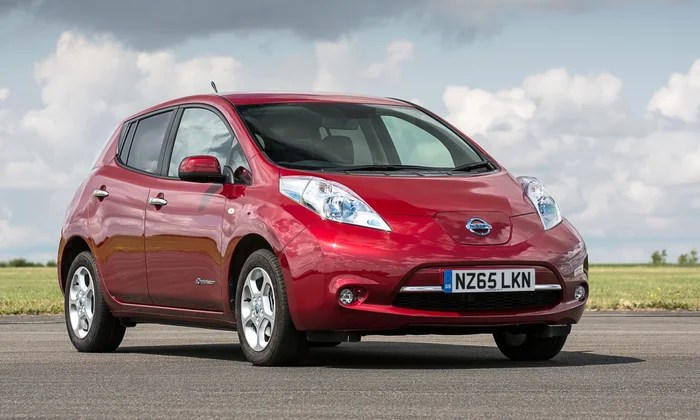
Nissan Leaf (2012-2017) – £4,000 – £8,000
The OG of EVs. The original Nissan Leaf is like buying a Nokia 3310 in the smartphone era, or a Casio F-91W at any time since the 1990s. They look completly dated, but they simply refuse to die. These first-generation Leafs are now so cheap you could buy one with the contents of your holiday savings jar.
Yes, early Nissan Leaf range isn’t amazing (you can expect roughly 50 – 100 miles), and it looks like someone let a toddler design a futuristic car, but at £4 – 8K, you’re getting a proper electric car for less than a decent secondhand petrol hatchback. Perfect for short commutes, school runs and impressing.. noone really but the EV-illuminati who respect the hell out of your comittment to the cause.
The “Sensible Secondhand” category

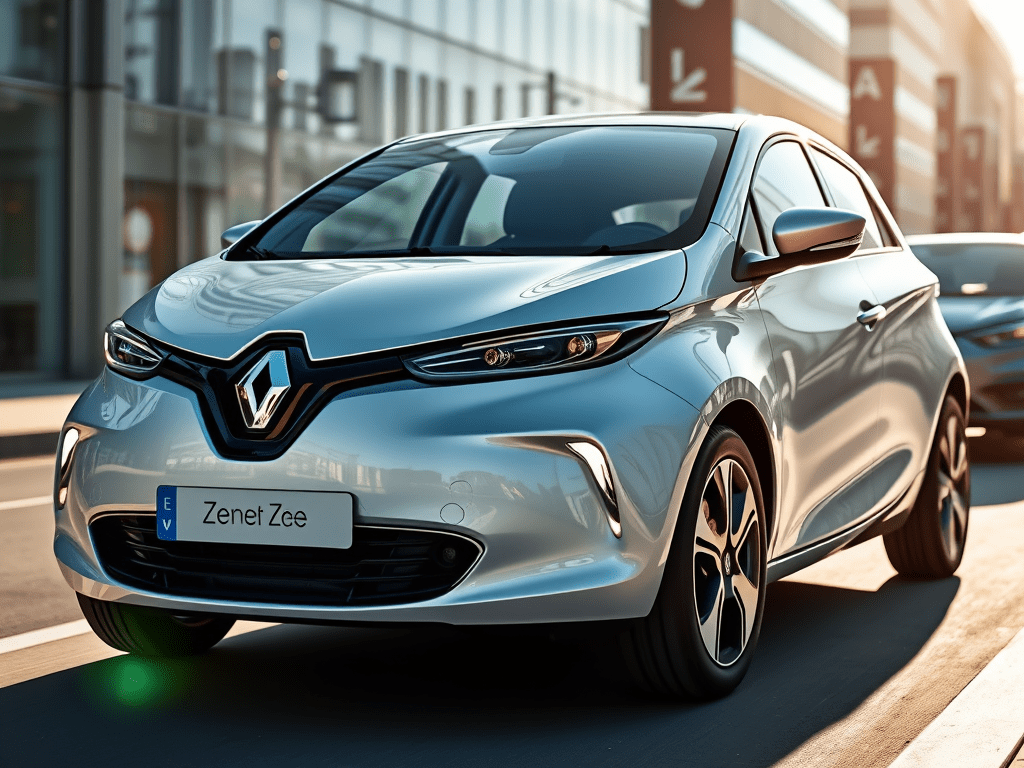
Renault Zoe (2017-2021) – £4,800 – £9,000
The Zoe is France’s answer to affordable electric motoring, which explains why it’s simultaneously stylish and (can’t resist) occasionally temperamental. Later models (post-2017) hit the sweet spot – old enough to be affordable but new enough to actually get you places. Just £5-£10K can put you behind the wheel of an EV that balances chic with usability.
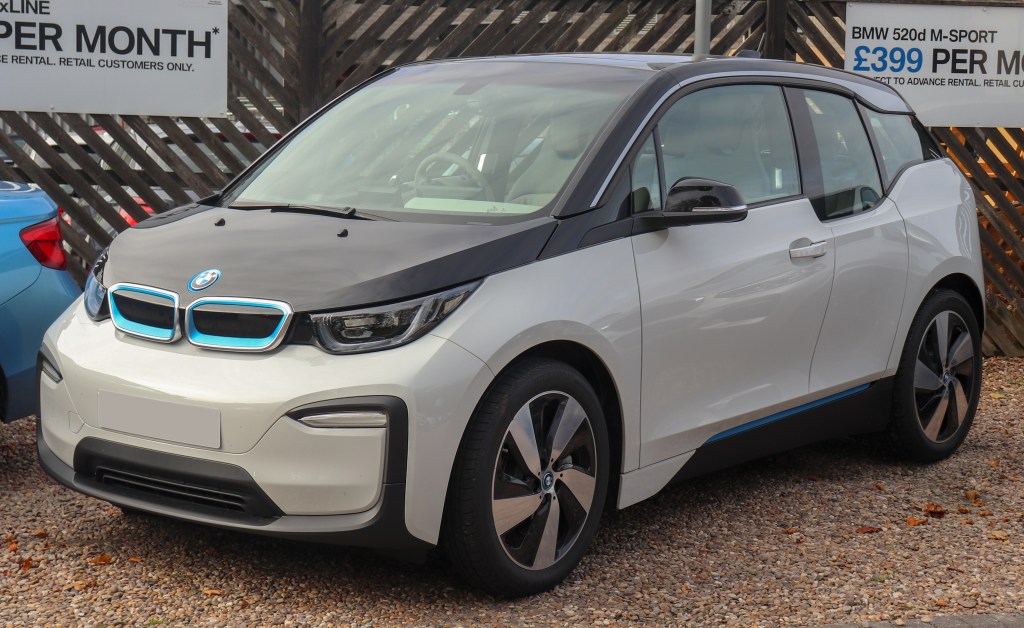
BMW i3 (2014-2021) – £6,000 to £10,000
The BMW i3 also one of the grandaddies of electric motoring. Built with more carbon fibre than a Formula 1 car and featuring doors that open like a demented butterfly, the i3 offers premium German engineering at sensible money. The interior is made from recycled materials and sustainable wood, so you can feel good about saving the planet while driving something that looks like it belongs in a sci-fi movie. Secondhand prices for an i3 range from £6,000 to £10,000.
The “Luxury for Less” category
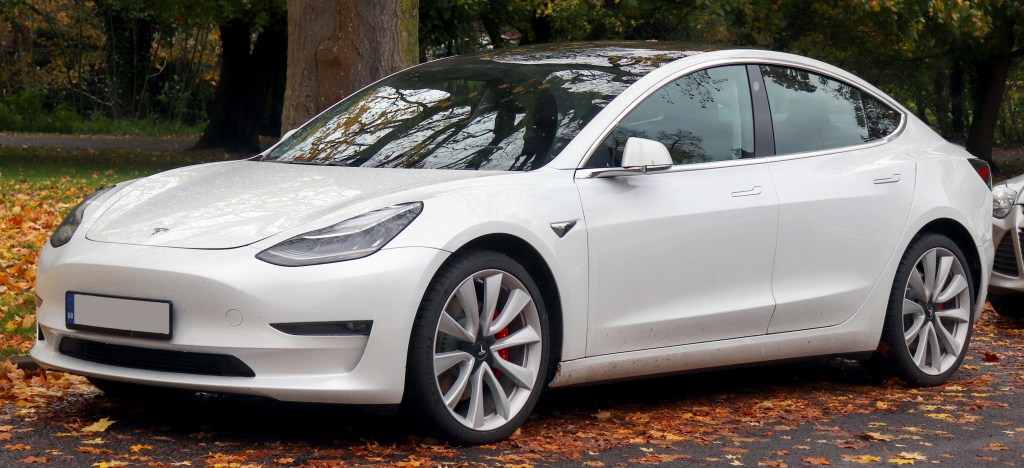
Tesla Model 3 (2019-2021) – £17,000 – £19,000
The Model 3 is Tesla’s “affordable” car, which is still not affordable – if you are buying it brand new. However, five-year-old Model 3s have depreciated enough to be genuinely accessible. Plus if you buy it second-hand, the money is not going into Elon Musk’s pocket.
With a real-world range of around 250-300 miles (depending on which version you get), the Model 3 offers that full Tesla experience without requiring you to remortgage your house. You get the minimalist interior that either looks elegantly futuristic or like someone forgot to finish building it. The best part? You still get over-the-air updates, Supercharger access, and the ability to summon your car in car parks (though you’ll probably only use this once before the novelty wears off).
Tesla Model S (2014-2020) – £14,000 – £25,000
Worth mentioning that you you can also buy a Tesla Model S for less than a new Ford Focus. This is the bigger, more ‘luxurious’ model which after 8 years still has excellent range (just watch the battery warranty) and you’ll still get the silent acceleration that pins you to your seat. For a 5-year-old model S, you can expect to pay £14,000 – £25,000.

Jaguar I-Pace (2018-2020) – £12,000 – £20,000
The I-Pace was Jaguar’s attempt to out-Tesla Tesla, and honestly, they did a pretty good job. Now you can pick up these stunning electric SUVs for about half their original price, which is excellent news if you like luxury but have champagne tastes on a lemonade budget. Secondhand prices are in the £12,000 – £20,000 range.
Reality Check
Before you rush off to CarWow, let’s mention battery degradation. Yes, batteries get weaker over time, just like your knees and your tolerance for late nights and loud music.
But here’s the thing – it’s nowhere near as scary as the Daily Mail would have you believe. Most electric car batteries retain 80-90% of their capacity after eight years, which means your £8,000 Zoe might only do 125 miles instead of 150. Is that a problem? Only if you regularly drive from London to Edinburgh on a whim.
The Secondhand Electric Survival Guide:
- Get a battery health check (most good dealers will provide this)
- Factor in potential charging cable replacement
- Check service history more carefully than your dating profile
- Remember that software updates can sometimes improve older cars
- Budget for a home charger – it’s like having a petrol station in your garage
The Bottom Line
Secondhand electric cars aren’t just about saving money, the planet, the air quality, the noise levels in your local area, the billions of dollars sent annually to petrostates. They’re also about getting into the electric game without needing to explain to your family why you’ve remortgaged the house.
Plus, there’s something deeply satisfying about buying a car that was once the preserve of early adopters. It’s democratisation through depreciation.
Happy hunting!
Disclaimer: Prices mentioned are quoted from CarWow and vary based on age, condition, mileage, and other usual caveats. Battery degradation is real but not apocalyptic – its about 2% a year, and not like your phone / laptop battery. Always get a proper inspection because nobody wants to buy someone else’s expensive mistake.




 EV-PZ
EV-PZ 
Leave a comment